
The short answer
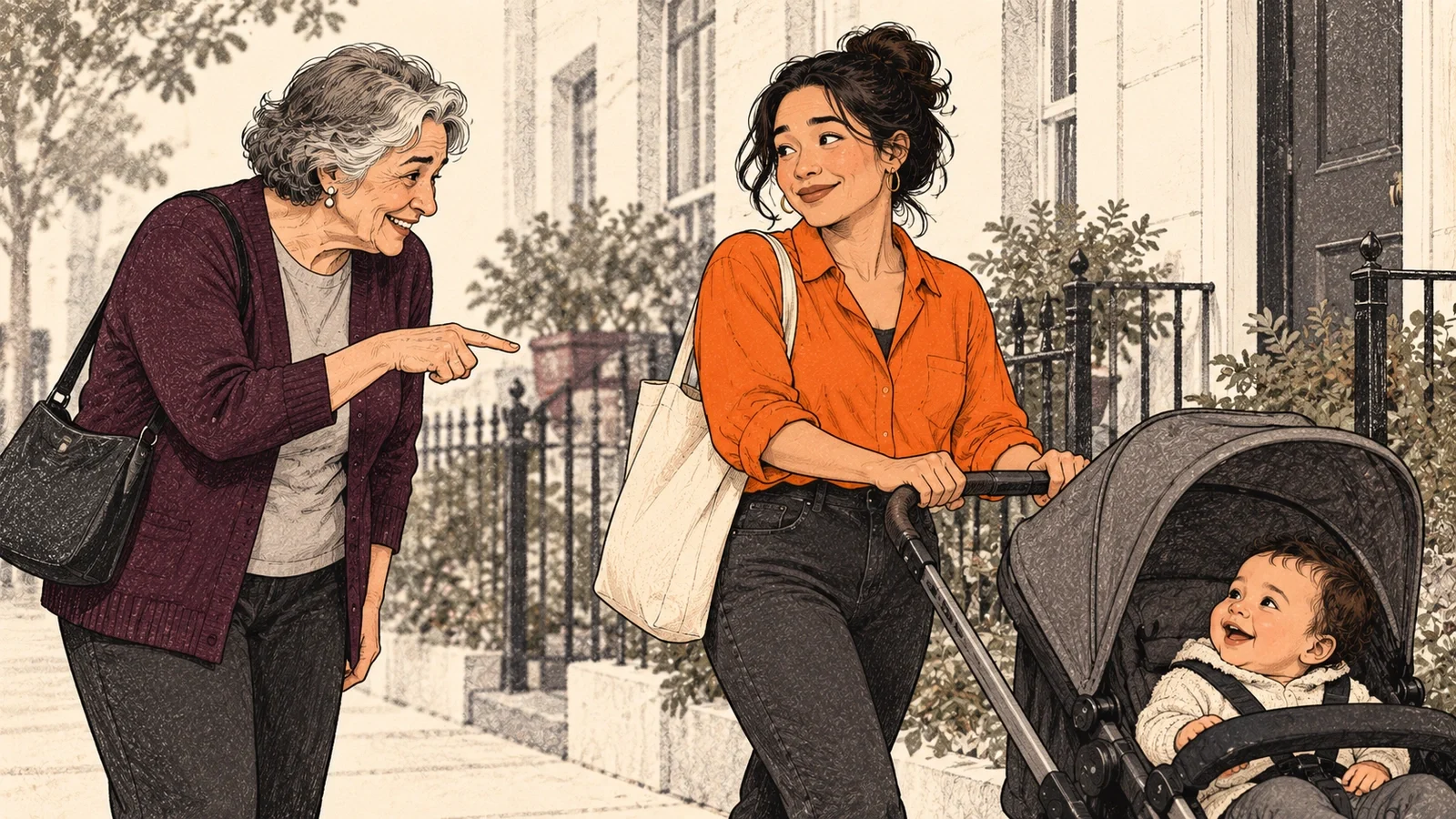
People give unsolicited advice because they want to help, because helping makes them feel useful and competent, because it gives them a sense of power, and because they’re anxious about how things will turn out for you. Research has found that giving advice can make people feel more powerful. It stings because unasked-for advice suggests you can’t manage on your own. You can thank them and move on, say clearly what kind of support you want, or set a gentle limit on topics that are off the table.
You’ve just told your mother you’re thinking of changing jobs. You wanted to share some news. What you got was a twenty-minute briefing on pension plans, the risks of leaving a stable position, what happened to your cousin when he did the same thing, and a link to an article she’ll send you later.
You didn’t ask for advice. You never asked for advice. And yet here it is, again.
Unsolicited advice is one of the most common sources of friction in families, and in friendships, workplaces and online. Almost everyone has received too much of it. Almost everyone has also given it, often with the best intentions. Understanding why people do it makes it much easier to respond with grace instead of gritted teeth.
Why people give unsolicited advice
They genuinely want to help
Let’s start with the most generous explanation, because it’s often true. Most unsolicited advice comes from people who care about you. They see a problem, they know something that might help and they share it. Particularly for parents, the instinct to guide and protect doesn’t switch off just because a child turns thirty.
It makes them feel useful
Advice is a way of contributing. People who feel a little sidelined, like retired parents, grandparents or relatives who see less of you, may give advice because it’s one of the few ways they still feel needed.
It makes them feel competent
Giving advice puts you in the position of the expert. For people who feel unsure of themselves in other parts of life, offering advice on something they know well can be a welcome reminder that they know things.
It makes them feel powerful
This is the less flattering one. A study by Michael Schaerer and colleagues, published in 2018, found that giving advice made people feel more powerful, and that people who wanted to feel powerful were more likely to give it. Advice puts the giver in a slightly superior position, and the receiver in a slightly dependent one. Not every adviser wants that, but some do, and it helps explain why advice often comes with a strong expectation that you’ll follow it.
They’re anxious
A lot of unsolicited advice is anxiety looking for a job to do. A parent worried about your health, your money or your relationship can’t control the outcome, but they can tell you what to do. Advising feels like doing something.
They think they’re having a conversation
Some people are simply problem solvers. When you share a difficulty, their instinct is to offer a solution, because that’s how they show they’ve listened. They may genuinely not realize that you wanted sympathy, not a plan.
Why it stings so much
Even good advice can feel irritating when it’s not asked for. There are a few reasons.
It implies you can’t manage. Advice carries a hidden message: “you haven’t thought of this” or “you’re doing it wrong.” When it comes from family, it can reopen old feelings of being treated like a child.
It takes over the conversation. You wanted to share something, and now you’re being managed. The focus has shifted from how you feel to what you should do.
It often comes with history. A parent’s advice about your finances carries every previous conversation about money you’ve ever had with them.
It can feel like judgment. “Have you thought about going to bed earlier?” can sound, to a tired new parent, like “you’re doing this badly.”
How to respond
You have more options than either following the advice or arguing about it.
Thank them and move on
Often the simplest response is the best. “Thanks, I’ll think about it.” It acknowledges their care, costs you nothing and doesn’t commit you to anything. Most advice-givers mainly want to feel heard; once they do, they let it go.
Say what kind of support you want
Many people don’t know the difference between sharing and asking for help unless you tell them. “I’m not looking for advice right now, I just wanted to tell you how I’m feeling” is clear and kind. Some people find it useful to say it at the start: “Can I vent for five minutes? I don’t need solutions.”
Recognize the care behind it
“I know you worry about me, and I appreciate it. I’ve got this one.” This speaks to the anxiety under the advice, which is often what’s really driving it.
Set a limit on certain topics
If a relative keeps returning to a sensitive subject, like your parenting, your weight or your relationship, you can draw a line: “I know you have strong views on how we’re raising the kids. We’ve thought about it a lot, and it’s not something I want to discuss.” Then change the subject. If it comes up again, repeat it, calmly.
Ask questions back
Sometimes asking a question shifts the dynamic: “What makes you worried about it?” You may discover the real concern, which is easier to address than the advice itself.
Accept the good bits
Not all unsolicited advice is bad. Sometimes, irritatingly, it’s right. You can take the useful part without accepting the whole package, and without needing to tell them they were right.
If you’re the one giving it
Most of us give more advice than we realize. A simple habit helps: before offering a solution, ask. “Do you want my thoughts, or do you just want to talk it through?” It shows respect, it makes your advice far more welcome when it’s wanted, and it saves a lot of polite nodding from the people you care about.
Unsolicited advice is one of several family patterns we cover in How to Deal With Difficult Family Members. If advice often turns into comparison with a brother or sister, Why Do Some Parents Compare Their Children? may also help.
Frequently asked questions
Why do people give unsolicited advice?
Because they want to help, because it makes them feel useful and competent, because it can give them a sense of power, and because they’re anxious about how things will turn out. Some people simply express care through problem solving.
Is giving unsolicited advice rude?
It isn’t always meant rudely, but it often feels that way because it suggests the other person can’t manage on their own. Asking first, “Do you want my thoughts?”, makes advice much more welcome.
How do you politely respond to unsolicited advice?
Thank them and move on, recognize the care behind it, or say clearly what kind of support you want, for example, “I’m not looking for advice right now, I just wanted to share.”
How do you stop family members from giving unsolicited advice?
Tell them what you need before you share, set a calm limit on topics you don’t want to discuss, and repeat it consistently. Recognizing the worry behind the advice often reduces it too.